
The Spingarn Medal
The Spingarn Medal is the highest honor awarded by the NAACP. Established in 1914 by Joel Elias Spingarn, it is a gold medal presented annually to an African American for “the highest or noblest achievement” in any honorable field during the preceding year or years.
Joel Spingarn funded the medal initially through his own personal wealth and later ensured its longevity through a formal bequest in his will. Starting in 1914, Spingarn funded the solid gold medal himself. He was a wealthy man—a professor at Columbia University and a co-founder of the publishing firm Harcourt, Brace and Company. Upon his death in 1939, he left an endowment of $20,000 (equivalent to roughly $450,000 today) to the NAACP. This trust was specifically designated to fund the medal “in perpetuity.” His will included a “fail-safe” wish: if the NAACP were ever to cease existing, the management of the medal and its fund would be transferred to Howard University or Fisk University to ensure the tradition never died.
Spingarn’s Three-Fold Wish
Spingarn’s desire for the medal was deeply rooted in his observations of American media at the turn of the century. He had three primary goals:
-
To Counter Negative Media: Spingarn was disturbed by how newspapers of the era (and it continues today) predominantly portrayed Black Americans as “criminals” or “persons of low intelligence.” He wished for the medal to provide a national spotlight on “distinguished merit and achievement,” forcing the mainstream press to acknowledge Black excellence.
-
To Inspire Ambition in Youth: He explicitly stated that the medal should “stimulate the ambition of colored youth,” showing them that the highest reaches of science, art, and leadership were attainable despite systemic racism.
-
To Honor Family Values: In his will, he noted that the award was intended to “perpetuate the lifelong interest” of his brother (Arthur Spingarn), his wife (Amy Spingarn), and himself in the “achievements of the American Negro.”
As a Jewish leader in the early civil rights movement, Spingarn’s wish was essentially to build a bridge of visibility—making it impossible for white America to ignore the “highest and noblest” contributions of the Black community.
This Year’s Award
The NAACP is in the active nomination phase for the 111th Spingarn Medal. The NAACP is currently soliciting nominations from the public to identify the next trailblazer who will join the ranks of past legends. The most recent honoree was Vice President Kamala Harris, who was awarded the 2025 Spingarn Medal late last year (September 30, 2025) for her trailblazing leadership and commitment to justice. Kamala Harris was awarded the 2025 NAACP Spingarn Medal, the organization’s highest honor, on September 30, 2025, in Los Angeles, California. She was recognized for her trailblazing career as the first woman, first Black American, and first South Asian American to serve as Vice President of the United States.
The first-ever medal was awarded in February 1915 to biologist Ernest E. Just, and the actual 2026 winner will likely be announced later in the spring or early summer, with the formal presentation occurring at the NAACP’s National Convention.
Sources:
Britannica: Spingarn Medal | List of Recipients & History – A comprehensive chronological list of every winner from 1915 to present, including their professional rationale.
BlackPast: The Spingarn Medal (1915- ) – A detailed look at the founding committee, initial purpose, and the specific legacy Joel Spingarn intended to leave.
Wikipedia: Spingarn Medal – A quick-reference guide including photos and specific achievement summaries for notable winners.
NAACP: Vice President Kamala Harris Awarded 2025 Spingarn Medal – The official press release for the 110th recipient, detailing the award ceremony held in Los Angeles on September 30, 2025.
Black Enterprise: Kamala Harris Presented Highest Honor by NAACP – Coverage of the Vice President’s acceptance speech and her reflections on the honor.
NAACP: Nominations for the 111th Spingarn Medal – The official announcement regarding the call for 2026 nominations, including eligibility requirements and contact information for the committee.
African American Registry: Joel Spingarn, Educator and Activist – An exploration of Joel Spingarn’s life as an American Jewish educator and his pivotal role in early civil rights advocacy.
EBSCO Biography: Joel Elias Spingarn – A deeper academic dive into Spingarn’s background, and his subsequent leadership within the NAACP.
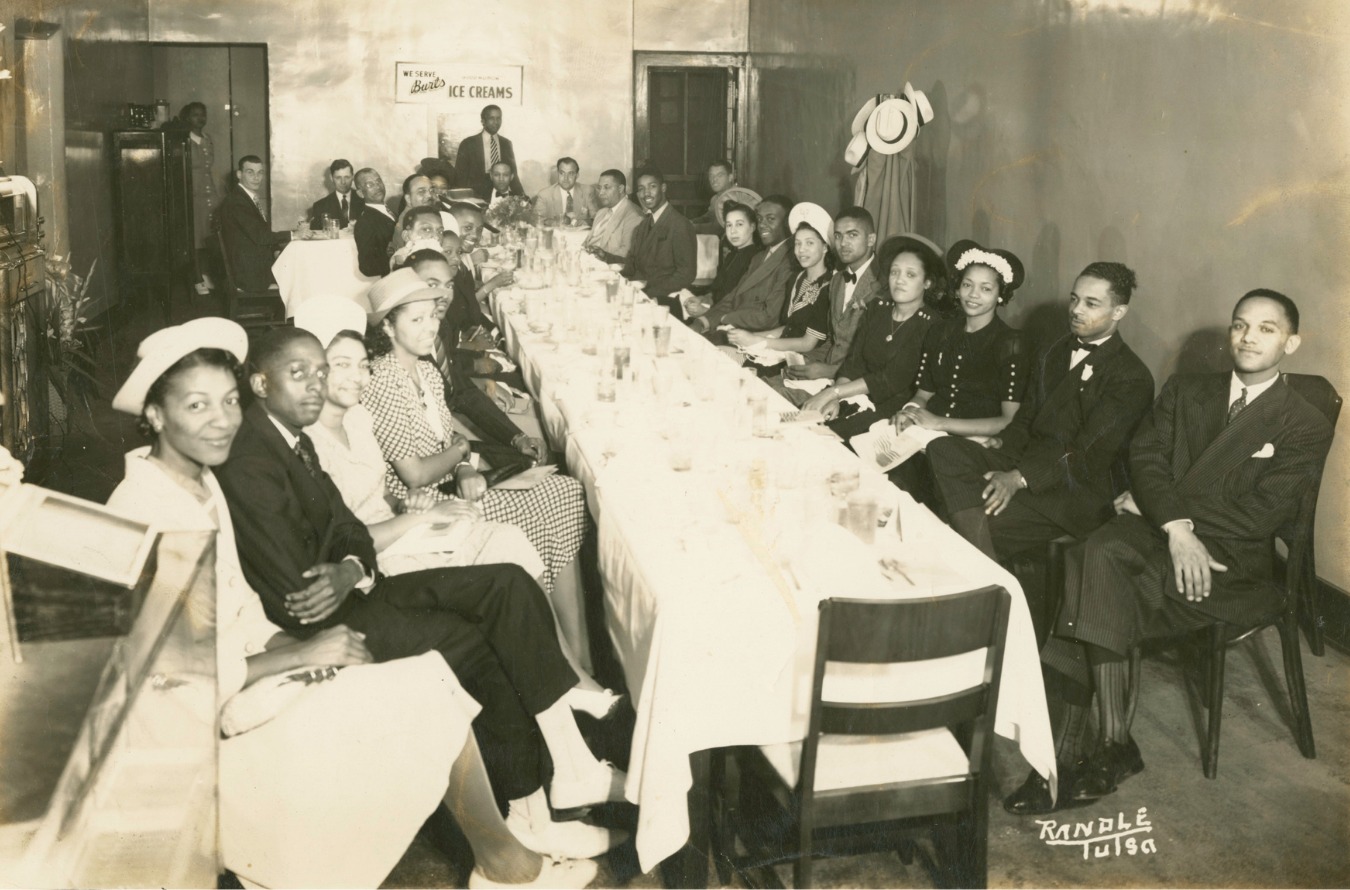
 NAACP Youth Council 1940. Collection of the Smithsonian National Museum of African American History and Culture, Gift of the Families of Anita Williams Christopher and David Owen Williams.