
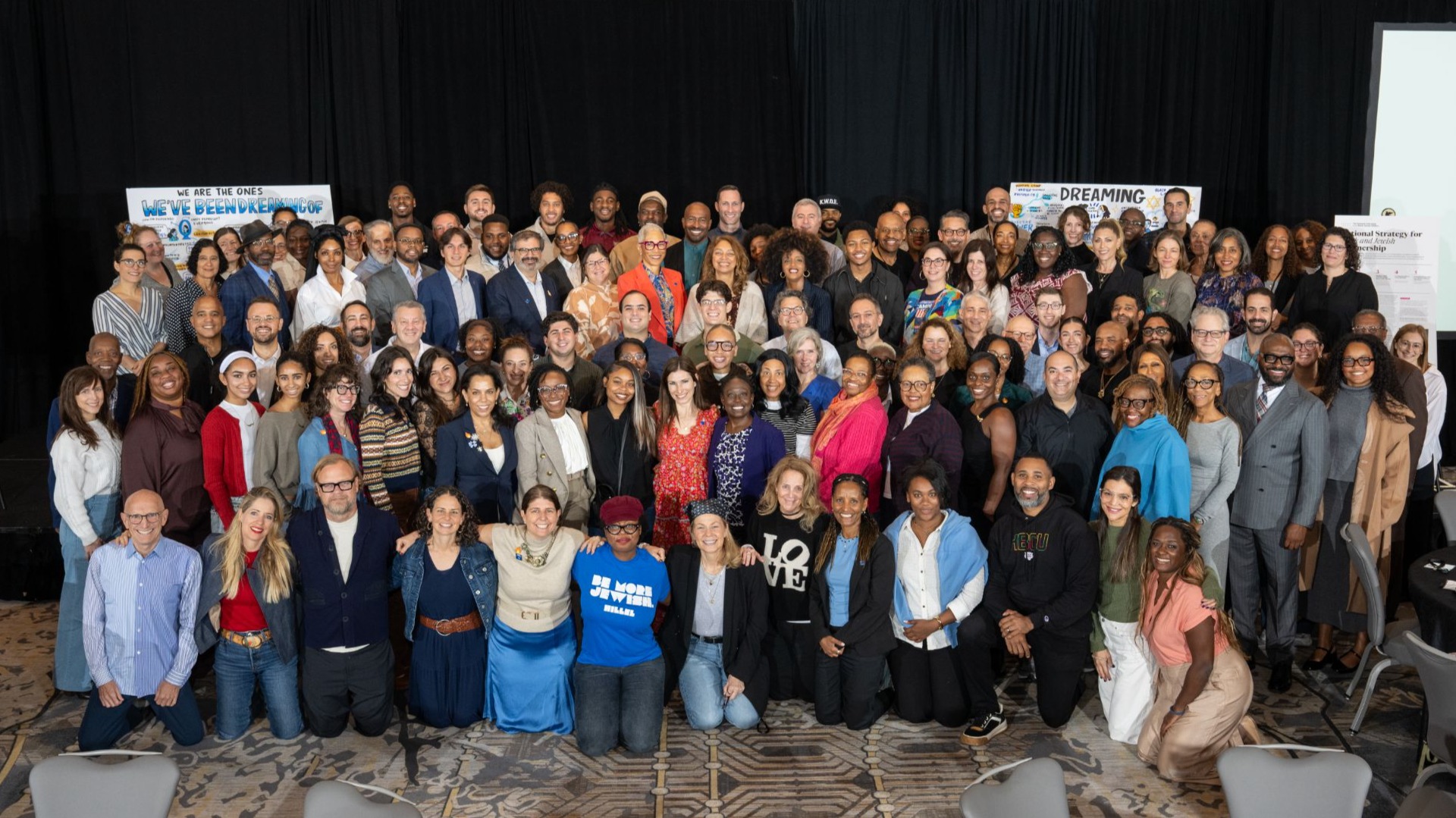
Playing Together Project’s executive director is helping to nationally rebuild the American Black/Jewish civil rights alliance. On October 12–14, Holman Leak was brought to Chicago with nearly 200 Black Christian, Black Jewish, and Jewish leaders—including rabbis, ministers, organizers, philanthropists, artists, educators, Jewish and Black Jewish college students affiliated with Hillel, representatives from Hillel International, representatives from the Anti-Defamation League (ADL), business leaders, cultural figures and representatives from national Jewish organizations. It was hosted by the Exodus Leadership Forum at JW Marriott in Chicago.
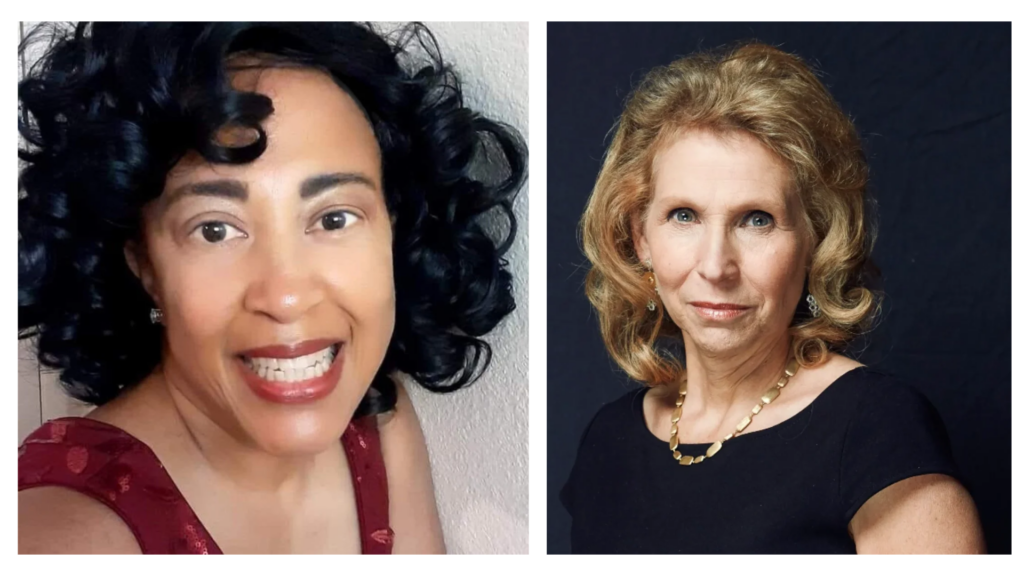
The historic convening was funded by The Redstone Family Foundation, led by Shari Redstone, who was present at the gathering, alongside The Foundation to Combat Antisemitism (Blue Square Alliance), led by Robert Kraft and a few other organizations. CNN commentator Van Jones and Dream Machine team brought together influential voices from across the nation to reignite the civil rights partnership.
The goal? To form transformational relationships, tell the true narrative about the history of the Black/Jewish Civil Rights Alliance, and celebrate and center African American Jews as a crucial part of the present and future of both communities and the movement itself. This historic gathering was the second meeting this year, the first year that the alliance has convened in 25 years.
Black Jewish Leadership is the Core of the Alliance
Reflecting this core priority, the summit kicked off the day before its official start with an exclusive pre-convening gathering specifically for Black Jewish leaders and student leaders. This session established a dedicated space for connection, alignment, and strategy ahead of the broader national assembly. A central theme of the entire Chicago convening was the intentional celebration and centering of Black Jews. The gathering served as a historic acknowledgment of the centuries-long existence, history, and vital presence of Black Jews, as well as the essential leadership roles they hold within the Black/Jewish Civil Rights movement. Participants emphasized that for the alliance to be truly transformational and effective today, Black Jewish voices cannot be an afterthought—they must be centered at the forefront of decision-making, strategy, and leadership. Without centering Black Jewish leadership, any national movement aimed at defeating antisemitism and racism will fail.
A Historical Legacy of Shared Solidarity
Among the powerful testimonies shared at the Chicago summit, civil rights veteran Dr. Benjamin F. Chavis, Jr. recounted a poignant story illustrating the deep historical roots of Black-Jewish solidarity. On September 4, 1978, while unjustly imprisoned in North Carolina as a member of the Wilmington Ten, Dr. Chavis wrote a heartfelt letter of support to Soviet refusenik and human rights activist Anatoly Shcharansky (later Natan Sharansky), who was incarcerated in the Soviet Union on fabricated treason charges. In the letter, Chavis welcomed Sharansky into the international fraternity of prisoners of conscience, condemning racism and antisemitism as twin crimes against humanity. He told prisoners that he had to get a letter to his brother in Russia. Though the letter was intercepted by prison officials and never reached Sharansky in his cell, Chavis kept a copy for decades. Nearly 47 years later, in July 2025, the two men finally met in person at the 11th Annual ISGAP-Oxford Summer Institute held at St. Catherine’s College, Oxford. During a panel titled “A Tale of Two Movements: Civil Rights, Soviet Jewry, and the Ongoing Struggle Against Hatred,” Chavis shared the stage with Sharansky and was finally able to personally read him the letter he had penned from his prison cell—marking a profound, living moment of shared brotherhood, resilience, and enduring commitment to justice.
Building Bonds and Shaping the Future of the Movement
During the summit in Chicago, the group convened to establish actionable steps across five core pillars designed in Miami, for the movement. Leaders first addressed the virulent rise of anti-Black racism and antisemitism across the United States, second, further refined their vision for unity, formed strategic nationwide partnerships, and third, exchanged actionable ideas for grassroots impact.
“We are not repeating the past or about superficial transactional positions of “we did this for you then what will you do for us now?” or stopping when it gets hard; we are now building a stronger, deeper alliance of relationships that will powerfully impact future generations.” said Barrett Holman Leak, Executive Director of Playing Together Project.
Participants also examined successful regional models in Boston, Chicago and Los Angeles, highlighting the methods and community impact of organizations like Playing Together Project, which works on the ground in San Diego to build the vital interpersonal and cultural bonds necessary to sustain long-term solidarity.
“Telling the truth about, and thereby shaping the narrative about, the Black/Jewish Alliance is crucial,” said Holman Leak. “There are those who want to divide and conquer—to break apart Black Americans and American Jews—because it benefits, for example, white supremacist goals, political goals, or terrorist goals. We are standing up against that—one shared meal, activity, workshop, film showing, and community gathering at a time. We are focused on rebuilding the Black/Jewish Civil Rights llAiance to jointly and more effectively defeat racism and antisemitism.”